General Management

Juliane Banse is one of the most successful sopranos of her generation, renowned for her versatile repertoire. On the opera stage, she has performed virtually all the major roles of her Fach, including the Marschallin, the Countess (Le nozze di Figaro), Fiordiligi, Donna Elvira, Vitellia, Genoveva, Leonore, Tatiana, Arabella and Grete in Franz Schreker’s Der ferne Klang. She made her artistic breakthrough at the age of just 20 as Pamina at the Komische Oper Berlin in a production directed by Harry Kupfer. Another defining milestone in her career was her appearance at the Zurich Opera House as Snow White in the world premiere of Heinz Holliger’s opera Schneewittchen, marking the beginning of a close artistic collaboration with the composer that continues to this day. Most recently, Juliane Banse appeared at Deutsche Oper am Rhein in the world premiere of Manfred Trojahn’s Septembersonate and at the Bavarian State Opera as the Mother in Humperdinck’s Hänsel und Gretel, Kathinka in Smetana’s The Bartered Bride and Marcellina in Mozart’s Le nozze di Figaro.
Born in southern Germany and raised in Zurich, she received her initial vocal training with Paul Steiner, continued her studies with Ruth Rohner at the Zurich Opera House, and subsequently completed her training with Brigitte Fassbaender and Daphne Evangelatos in Munich. As a professor at the Mozarteum University Salzburg, she is deeply committed to nurturing the next generation of musicians. Since the winter semester of 2023, she has also headed the vocal department at the Escuela Superior de Música Reina Sofía in Madrid. In addition, she regularly gives masterclasses in Germany and abroad and is a sought-after jury member at international singing competitions.
In the concert arena, Juliane Banse is equally at home in a wide-ranging repertoire and regularly collaborates with renowned conductors including Lorin Maazel, Riccardo Chailly, Franz Welser-Möst, Marin Alsop, Zubin Mehta and Manfred Honeck. She also repeatedly devotes herself to contemporary music. Most recently, Manfred Trojahn dedicated the chamber version of his work 4 Women from Shakespeare to her, writing the piece specifically for her voice. In June 2022, she performed Heinz Holliger’s Dämmerlicht in São Paulo under the composer’s direction, followed by his composition Puneigä in Geneva in September of the same year.
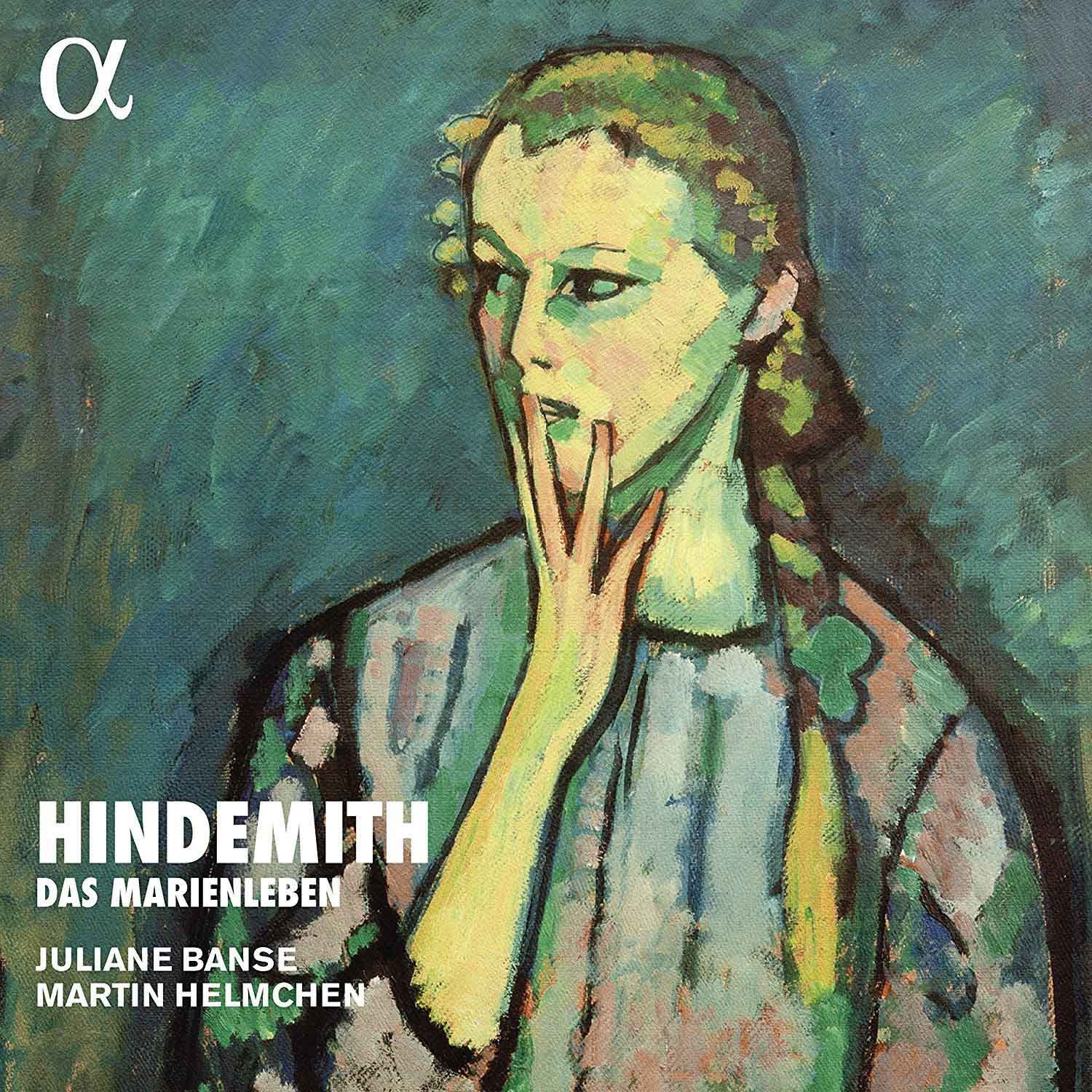
Recitals and chamber music have always held a special place in her artistic work. Current highlights include the projects Winterreise and Mozart – Selig neben dir, in which she combines singing and dance with dancer István Simon in a new format, accompanied at the piano by Alexander Krichel and choreographed by Andreas Heise. Hindemith’s Marienleben, a work particularly close to the artist’s heart, was released on CD in collaboration with pianist Martin Helmchen.
In the 2026/27 season, Juliane Banse continues her concert activities with, among other engagements, a song recital at Wigmore Hall in London. At the Schubertiada in Vilabertran, she will appear with the Cuarteto Casals in a concert commemorating the late festival founder Jordi Roch. She will also present her project Mozart – Selig neben dir! at the Oxford International Song Festival.
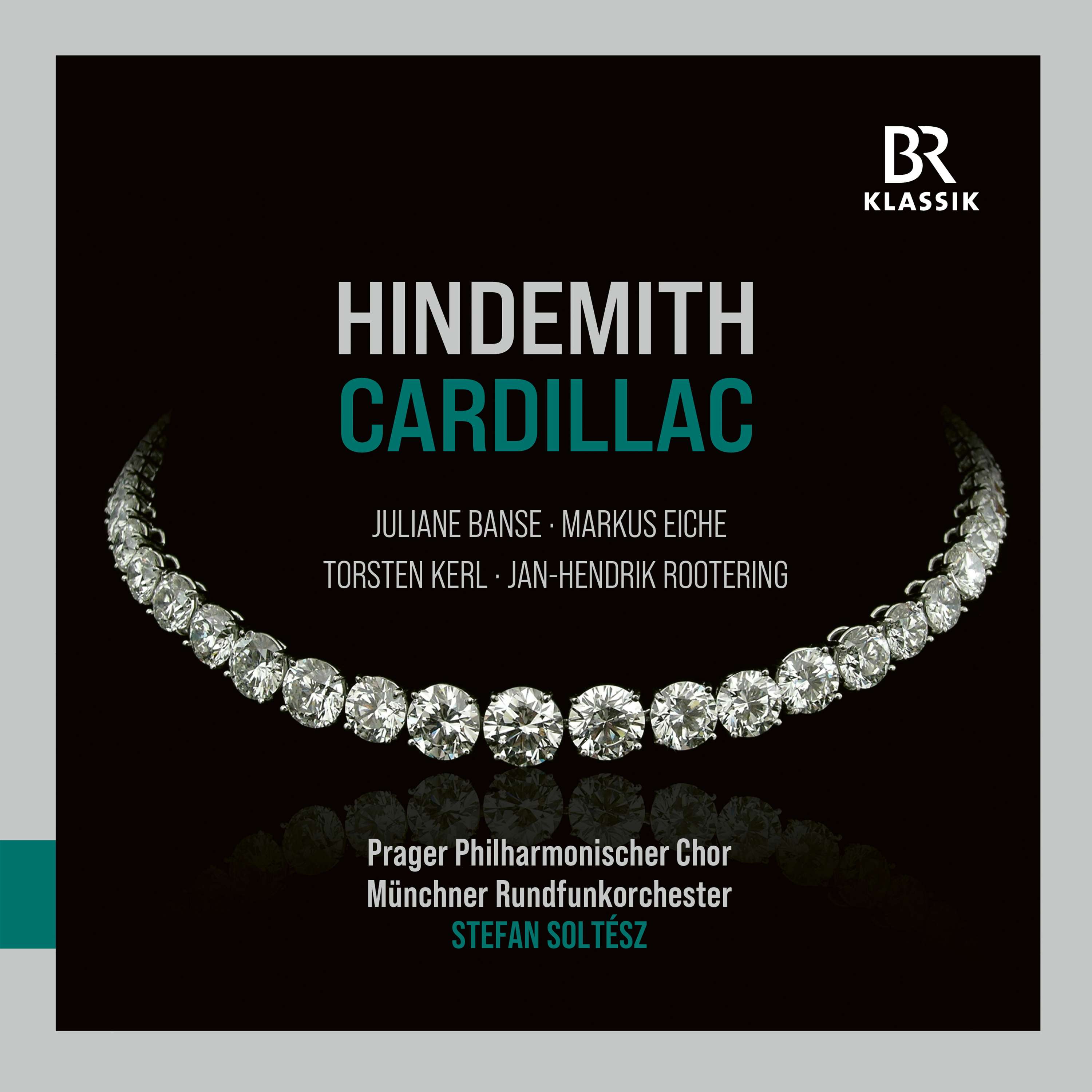
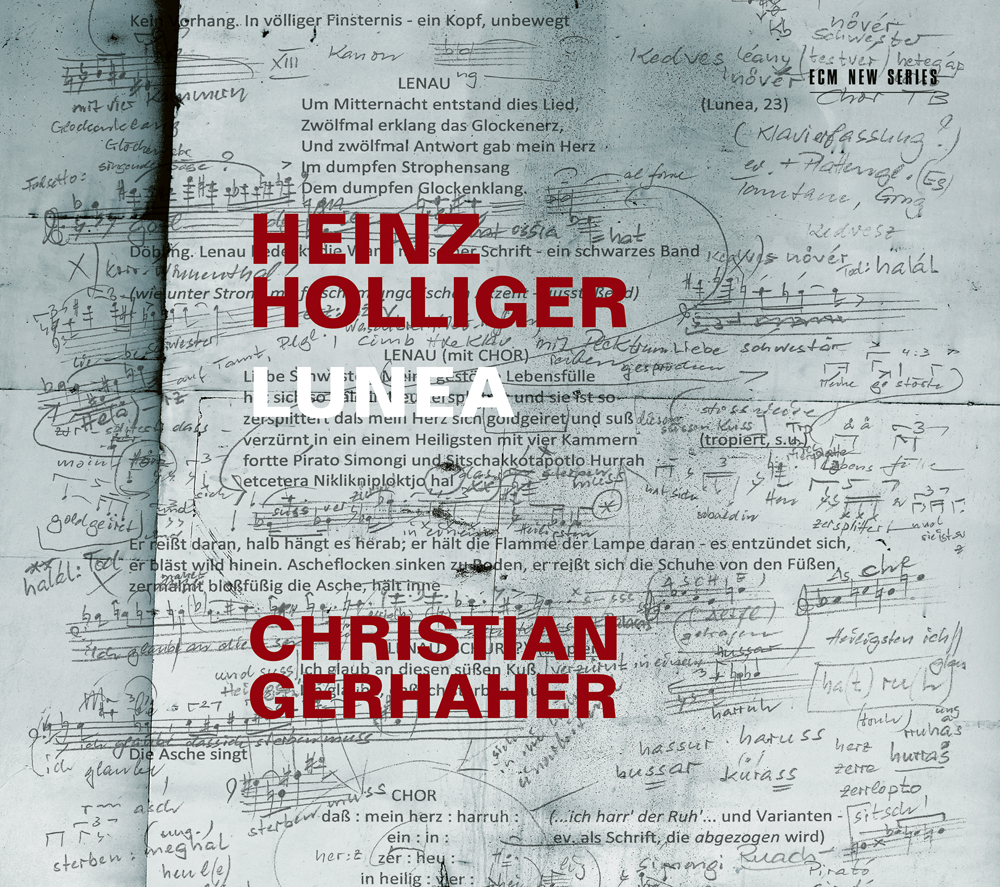
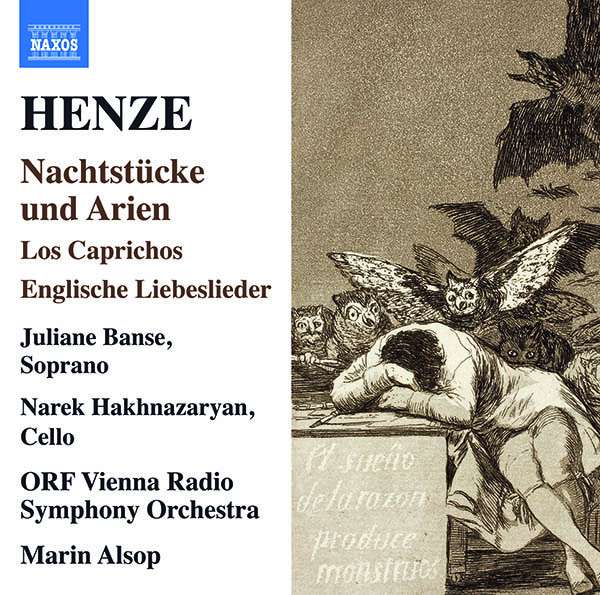
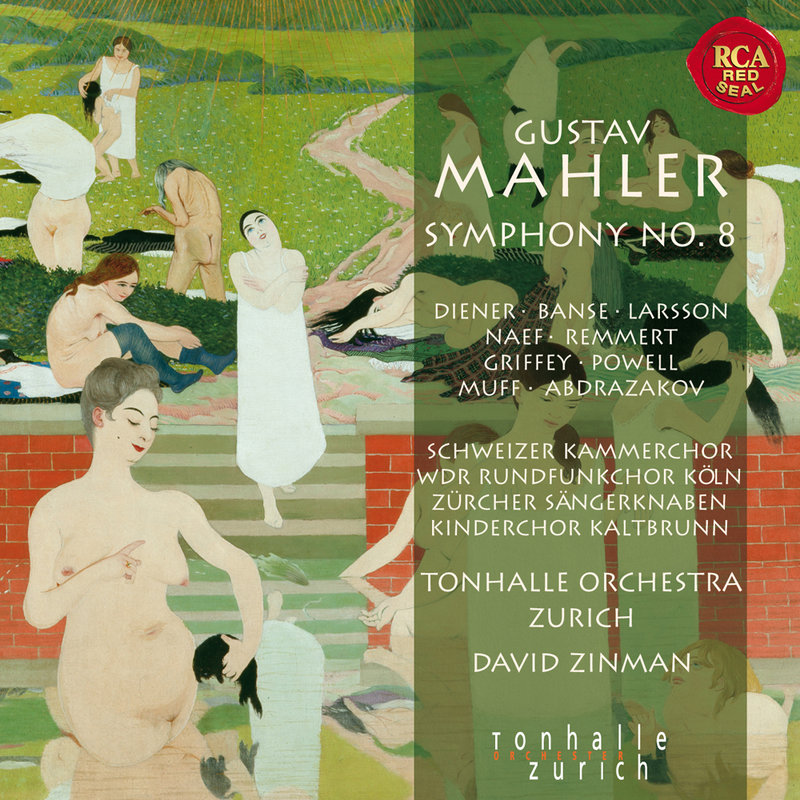
Numerous recordings by Juliane Banse have received prestigious awards, including two recordings that were honoured with the ECHO Klassik: Braunfels’ Jeanne d’Arc with the Swedish Radio Symphony Orchestra under Manfred Honeck, awarded “World Premiere Recording of the Year”, and Mahler’s Symphony No. 8 with the Tonhalle Orchestra Zurich under David Zinman. Previous releases include the highly acclaimed album Unanswered Love, featuring works by Reimann, Rihm and Henze with the Deutsche Radio Philharmonie; Im Arm der Liebe with the Munich Radio Orchestra; Heinz Holliger’s opera Lunea with Christian Gerhaher on ECM; and Paul Hindemith’s Cardillac on BR-KLASSIK, among many others.
Further information can be found on the artist’s personal website: www.julianebanse.de.
HIGHLIGHTS 2023/2024
In der weiblichen Hauptrolle der Ellice Staverton des Kammerspiels Septembersonate von Manfred Trojan unter der musikalischen Leitung von Vitali Alekseenok, inszeniert von Johannes Erath.

Das Programm mit dem Titel „Schuberts Dramen“ unter der musikalischen Leitung von Christoph Poppen.